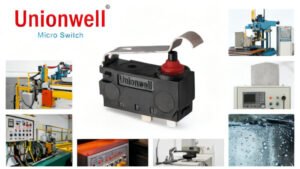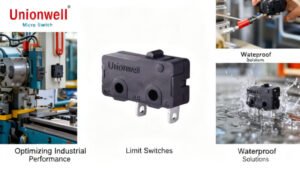
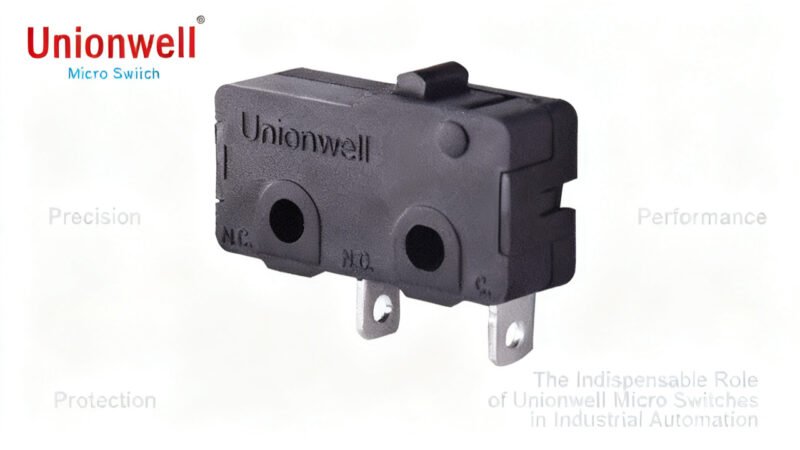
In the intricate world of industrial automation, the reliability and precision of every component are paramount. From ensuring the safe operation of heavy machinery to enabling the seamless function of consumer electronics, miniature snap-action switches, commonly known as micro switches, play an often-underestimated yet absolutely critical role. These compact devices are the silent workhorses that convert mechanical motion into an electrical signal, forming the bedrock of control and safety systems across countless industries.
At its heart, a micro switch is an electrical switch actuated by very little physical force, through the use of a tipping-point mechanism, sometimes called an “over-center” mechanism. This design ensures a rapid, predictable, and repeatable switching action, regardless of the speed of actuation. This snap-action characteristic is vital for preventing arcing and extending the switch’s operational life. Micro switches are renowned for their high precision, long mechanical life, and ability to handle various electrical loads, making them indispensable in applications where space is limited and reliability is non-negotiable.
The Versatility of Standard Micro Switches
Standard micro switches are foundational components in a vast array of products and systems. Their compact size, combined with robust performance, makes them ideal for integration into diverse environments. They are commonly found in:
- Appliances: Detecting door closures in microwaves, washing machines, and refrigerators.
- Automotive: Sensing pedal positions, door latches, and gear shift mechanisms.
- Industrial Controls: Actuating relays, solenoids, and motor controls in manufacturing equipment.
- HVAC Systems: Monitoring air flow and damper positions.
The flexibility in actuator types—pin plungers, lever arms, roller levers—allows for precise customization to specific mechanical interfaces, ensuring optimal performance in unique application scenarios.
Precision and Safety: The Role of Limit Switches
When environmental demands become more rigorous, or when position sensing over a larger stroke is required, the limit switch emerges as a robust solution. Essentially, a limit switch is a type of micro switch designed for industrial applications, typically housed in a more durable enclosure to withstand harsh conditions such as dust, water, oil, and extreme temperatures. They are fundamental in:
- Machine Tools: Detecting the end of travel for moving parts, ensuring proper sequencing and preventing overtravel.
- Conveyor Systems: Monitoring product presence and position, stopping or starting motors.
- Safety Interlocks: Ensuring machinery guards are closed before operation, enhancing worker safety.
- Material Handling: Controlling automated storage and retrieval systems.
Limit switches are often characterized by their heavy-duty construction, various actuator heads (rotary, plunger, wobble stick), and multiple conduit entries, offering significant flexibility in installation and application within challenging industrial settings. Their ability to provide precise, repeatable position detection under strenuous conditions makes them a cornerstone of industrial automation and safety systems.
Conquering Harsh Environments: Waterproof Micro Switches
In applications exposed to moisture, splashing liquids, or even complete immersion, standard switches fall short. This is where waterproof micro switches become indispensable. Engineered with advanced sealing technologies, these switches are designed to prevent the ingress of water, dust, and other contaminants, ensuring reliable operation in the most challenging environments. Key features often include:
- IP Ratings: Adherence to International Protection (IP) standards, such as IP67, which signifies complete protection against dust ingress and protection against the effects of temporary immersion in water (up to 1 meter for 30 minutes).
- Sealing Materials: Use of high-grade epoxy, silicone, or other elastomer seals around the plunger and terminals.
- Corrosion Resistance: Often constructed with materials that resist rust and degradation in wet or corrosive atmospheres.
Typical applications for waterproof micro switches include outdoor equipment, marine vessels, industrial wash-down areas, automotive under-hood systems, and medical devices requiring sterilization. Their robust design guarantees consistent performance and extends the lifespan of critical systems, even when directly exposed to environmental stressors.
Why Manufacturer Expertise Matters in Micro Switch Selection
The performance of a system is only as good as its weakest link. When it comes to micro switches and limit switches, partnering with an experienced and reputable manufacturer like unionwell is paramount. A dedicated manufacturer brings:
- Uncompromising Quality and Reliability: Ensuring consistent performance, long mechanical and electrical life, and minimal failure rates through stringent testing and quality control processes.
- Application-Specific Customization: The ability to modify existing designs or develop new solutions to meet unique operational requirements, whether it’s specific operating force, terminal configurations, or housing materials.
- Adherence to Global Standards: Compliance with international certifications such as UL, cUL, ENEC, CE, and RoHS, which are crucial for global market access and ensuring product safety and environmental responsibility.
- Technical Support and Innovation: Providing expert guidance during the design phase and continuously innovating to meet the evolving demands of modern industry, including miniaturization and enhanced durability.
Choosing a manufacturer with a proven track record ensures not just a component, but a reliable solution backed by expertise.
Key Considerations for Specifying Micro and Limit Switches
Selecting the optimal switch for an application requires careful consideration of several factors:
- Electrical Rating: Matching the switch’s current and voltage capacity to the circuit requirements.
- Operating Force: The amount of force required to actuate the switch, critical for sensitive applications.
- Actuator Type: Pin plunger, lever, roller lever, or custom designs based on the mechanical interface.
- Terminal Type: Solder, quick connect, screw terminals, or wire leads for ease of integration.
- Operating Temperature Range: Ensuring the switch can perform reliably within the ambient temperature of the application.
- Environmental Protection: Specifying appropriate IP ratings for dust and water resistance.
- Mechanical Life: The number of operations the switch can withstand, indicating its durability.
A thorough evaluation of these parameters, often in consultation with the manufacturer, leads to the selection of a switch that guarantees optimal system performance and longevity.
Conclusion
Micro switches, limit switches, and their waterproof counterparts are more than just simple components; they are critical enablers of precision, safety, and efficiency across the industrial landscape. Their ability to deliver consistent, reliable performance under diverse and often extreme conditions underscores their indispensable value. As industries continue to evolve towards greater automation and more demanding operational environments, the importance of selecting high-quality, application-appropriate switches from a trusted manufacturer becomes even more pronounced. Investing in superior switch technology is an investment in the long-term reliability and success of any advanced system.