In the intricate world of industrial automation, consumer electronics, and specialized machinery, precision, reliability, and durability are not just desirable traits—they are absolute necessities. At the heart of countless critical operations, often unseen yet indispensable, lies the micro switch. These unassuming components, known for their snap-action mechanism, play a pivotal role in detecting presence, monitoring position, and ensuring the safe and efficient operation of a vast array of devices.
A micro switch, technically a miniature snap-action switch, is an electrical switch that is actuated by very little physical force, through the use of a tipping point mechanism. This mechanism produces a rapid, decisive transfer of contacts from one position to another, irrespective of the speed of the actuator. This “snap-action” ensures a consistent and reliable electrical contact, minimizing arcing and extending the switch’s operational life. Their compact size belies their robust performance, making them ideal for applications where space is at a premium but reliability cannot be compromised.
Key Attributes Driving Industrial Success
The widespread adoption of micro switches across diverse industries is driven by their inherent advantages:
- High Precision and Repeatability: The snap-action mechanism ensures that the switch always actuates and de-actuates at precisely the same point, offering consistent performance over millions of cycles. This is crucial for applications requiring exact positioning or timing.
- Durability and Long Mechanical Life: Engineered for endurance, high-quality micro switches are designed to withstand millions of operations, making them a cost-effective choice for long-term use in demanding environments.
- Compact Size: Their miniature footprint allows for integration into tight spaces, enabling more compact product designs and complex machinery.
- Versatility in Actuation: Available with a wide range of actuators—pin plungers, roller levers, hinge levers, and more—they can be tailored to specific mechanical interface requirements.
- High Current Capacity: Despite their small size, many micro switches are capable of switching relatively high currents, making them suitable for controlling motors, solenoids, and other power loads.
- Reliability: The positive snap-action ensures clean make-and-break contacts, preventing chatter and ensuring reliable signal transmission.
Diverse Applications Across Industries
The versatility of micro switches is evident in their ubiquitous presence:
- Industrial Automation: Essential for machine tools, robotics, conveyor systems, and safety interlocks, detecting part presence, position, and emergency stops.
- Automotive: Used in door latches, seat belt indicators, gear shift mechanisms, and power window controls.
- Home Appliances: Found in microwave ovens (door interlocks), washing machines (lid switches), refrigerators (light switches), and air conditioners.
- Medical Devices: Critical for precision control in diagnostic equipment, patient beds, and drug delivery systems.
- HVAC Systems: Monitoring damper positions, fan operation, and flow control.
- Security Systems: Integrated into alarm systems, access control, and tamper detection.
Specialized Micro Switches for Demanding Environments
As industrial and commercial applications evolve, so too does the need for specialized switch solutions:
The Robustness of Limit Switches
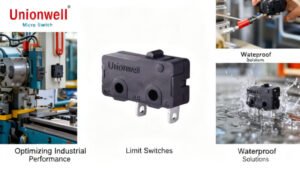
A specific category of micro switches, limit switches, are purpose-built for industrial applications where the detection of mechanical motion or the presence of an object is paramount. They are typically housed in robust enclosures, often metal, to withstand harsh industrial environments, including exposure to dust, moisture, and mechanical shock. Limit switches are critical for:
- Position Sensing: Determining the end-of-travel for machinery components, conveyor systems, and robotic arms.
- Safety Interlocks: Preventing machine operation when guards are open or components are out of place.
- Counting and Sequencing: Actuating based on the passage of items on an assembly line.
Their design often incorporates adjustable actuators and different contact configurations (normally open, normally closed) to offer maximum flexibility in complex control circuits.
The Impermeability of Waterproof Micro Switches
For environments exposed to liquids, humidity, or fine particulate matter, standard switches simply won’t suffice. Waterproof micro switches are engineered with advanced sealing techniques, often achieving ingress protection (IP) ratings such as IP67 or IP68. This means they can withstand immersion in water for specified periods without compromising performance. Key features include:
- Sealed Construction: Utilizing epoxy potting, O-rings, and specialized housing materials to prevent water, dust, and oil ingress.
- Corrosion Resistance: Often made with materials that resist rust and degradation in challenging conditions.
- Reliable Operation in Harsh Conditions: Indispensable for outdoor equipment, marine applications, industrial washdown areas, and automotive under-the-hood systems.
Partnering with the Right micro switch manufacturer: A Strategic Imperative
Given the critical role these components play, selecting the right micro switch manufacturer is not merely a purchasing decision; it’s a strategic partnership that impacts product quality, operational efficiency, and ultimately, market reputation. A leading manufacturer brings several vital advantages to the table:
- Uncompromising Quality and Reliability: A reputable manufacturer adheres to stringent quality control processes, using high-grade materials and advanced manufacturing techniques to ensure consistent performance and extended product life.
- Expertise in Customization: Many applications demand unique switch characteristics. A strong manufacturer offers design flexibility, from custom actuators and terminal types to specific operating forces and electrical ratings, ensuring a perfect fit for specialized needs.
- Robust Technical Support and Engineering Partnership: Access to experienced engineers who can provide design assistance, application guidance, and troubleshooting support is invaluable, especially during product development cycles.
- Adherence to Global Standards and Certifications: Compliance with international safety and quality standards (e.g., UL, CE, RoHS, ISO) is crucial for global market access and product safety assurance.
- Efficient Supply Chain and Logistics: A reliable manufacturer ensures timely delivery, managing inventory and logistics effectively to prevent production delays for their clients.
- Commitment to Innovation: The best manufacturers continuously invest in R&D, developing new switch technologies, improving existing designs, and exploring novel materials to meet evolving industry demands.
From the precise click of a snap-action mechanism to the robust sealing of a waterproof variant, micro switches are fundamental to the functionality and safety of countless systems. Choosing a manufacturer that embodies excellence in design, production, and customer support is paramount to leveraging the full potential of these small yet mighty components in your next project or product line.