In the intricate landscape of modern industrial automation, consumer electronics, and specialized machinery, certain components, though small, play an outsized role in ensuring performance, safety, and longevity. Among these critical elements are micro switches. These compact, high-precision devices are the silent workhorses behind countless operations, providing the instantaneous electrical signaling essential for control and feedback systems. For engineers, product designers, and procurement specialists, understanding the nuances of advanced micro switches – from standard snap-action models to specialized limit switches and robust waterproof variants – is paramount to building resilient and efficient systems.
What Defines a Micro Switch?
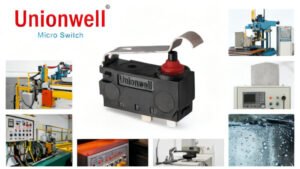
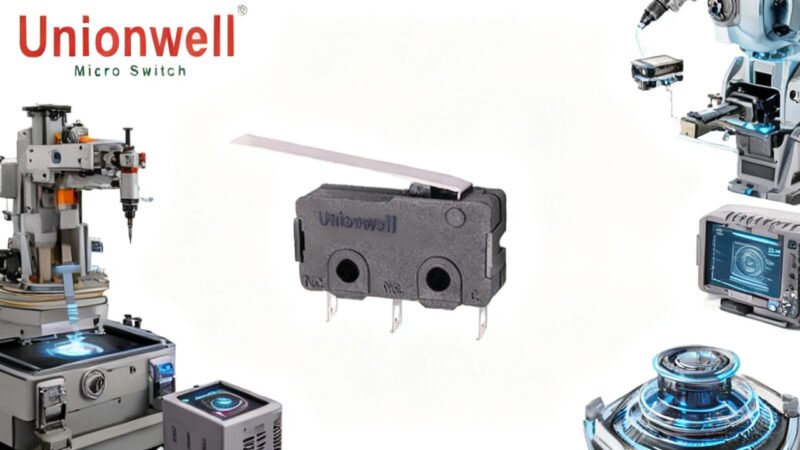
At its core, a micro switch is a snap-action electrical switch characterized by its rapid actuation and de-actuation. It typically consists of a spring-loaded lever or plunger that, when activated by a small amount of force, quickly changes the state of electrical contacts (normally open to closed, or vice-versa). This ‘snap-action’ mechanism ensures a swift, decisive contact break or make, minimizing arcing and extending the switch’s operational life. Their precision, repeatability, and high current capabilities in a small package make them indispensable across a vast array of applications.
Key Attributes of High-Performance Micro Switches
- Exceptional Precision and Repeatability: The snap-action mechanism ensures consistent actuation points, crucial for applications requiring exact positioning or timing.
- Durability and Longevity: Designed for millions of cycles, quality micro switches offer unparalleled reliability, reducing maintenance costs and downtime.
- Compact Design: Their small footprint allows for integration into space-constrained environments without compromising performance.
- Versatile Actuation Options: Available with various actuators (pin plungers, roller levers, hinge levers, etc.) to suit diverse mechanical interfaces.
- High Electrical Load Capacity: Despite their size, many micro switches can handle significant current, making them suitable for controlling motors, solenoids, and other power loads.
Specialized Solutions: Limit Switches and Waterproof Micro Switches
Limit Switches: The Sentinels of Automation
A specific and highly critical application of micro switch technology is found in limit switches. These robust devices are designed to detect the presence or absence of an object, or to monitor the position of moving parts within a machine. Integrated into industrial automation systems, robotics, and safety interlocks, limit switches provide crucial feedback for control sequences and emergency stops. They are engineered to withstand demanding industrial environments, often featuring durable housings and precise actuation mechanisms to ensure reliable operation in heavy-duty machinery, conveyor systems, and assembly lines. A reputable micro switch manufacturer understands the stringent requirements for these components, ensuring they meet the highest standards for accuracy and resilience.
Waterproof Micro Switches: Defying the Elements
For applications where exposure to liquids, dust, or harsh environmental conditions is a concern, waterproof micro switches are essential. Engineered with advanced sealing technologies, these switches boast ingress protection (IP) ratings (e.g., IP67, IP68) that certify their resistance to water and dust penetration. This makes them ideal for outdoor equipment, marine applications, automotive systems, food processing machinery, and medical devices where hygiene and resistance to cleaning agents are critical. The robust construction and specialized sealing materials ensure uninterrupted performance, preventing short circuits, corrosion, and operational failures caused by environmental factors.
Applications Across Diverse Industries
The versatility of micro switches means they are found in nearly every sector:
- Automotive: Door latches, seat belt sensors, gear shift mechanisms, power window controls.
- Industrial Automation: Position sensing, safety interlocks on machinery, robotic end-effectors, conveyor control.
- Home Appliances: Microwave ovens (door interlocks), washing machines, refrigerators, HVAC systems.
- Medical Devices: Precision control in diagnostic equipment, patient beds, and surgical tools.
- Aerospace: Landing gear position sensing, cockpit controls, environmental control systems.
- Consumer Electronics: Power tools, gaming devices, printers.
Choosing the Right Micro Switch: A Strategic Partnership
Selecting the optimal micro switch for a given application involves careful consideration of several factors:
- Environmental Conditions: Temperature range, presence of dust, moisture, or corrosive agents (dictating the need for waterproof micro switches).
- Electrical Requirements: Voltage, current, type of load (resistive, inductive, lamp), and AC/DC operation.
- Mechanical Requirements: Operating force, pre-travel, over-travel, differential travel, and type of actuator.
- Life Expectancy: The number of operational cycles required over the product’s lifetime.
- Compliance and Certifications: Adherence to international standards like UL, CE, RoHS, and specific industry certifications.
Partnering with an experienced and innovative micro switch manufacturer like unionwell is crucial. Such manufacturers offer a wide array of standard and custom solutions, leveraging deep engineering expertise to meet specific design challenges. Their commitment to quality control, advanced manufacturing processes, and continuous R&D ensures that their products, including specialized limit switches and high-performance waterproof micro switches, deliver unparalleled reliability and performance.
The Future of Micro Switch Technology
As industries demand greater precision, smaller form factors, and enhanced environmental resilience, micro switch technology continues to evolve. Innovations focus on further miniaturization, higher IP ratings for extreme environments, and the development of switches capable of operating reliably under increasingly severe conditions. The drive towards smart manufacturing also means a greater integration of these components into digital control systems, where their precise feedback is more critical than ever.
Conclusion
Micro switches are far more than simple on/off devices; they are fundamental components that underpin the reliability, safety, and efficiency of countless systems worldwide. From the robust detection capabilities of limit switches in industrial automation to the steadfast performance of waterproof micro switches in challenging environments, their role is indispensable. For any design or procurement decision, prioritizing quality, precision, and the expertise of a trusted micro switch manufacturer is not just a choice, but a strategic imperative for long-term success.