In the intricate machinery of modern industry, certain components operate silently yet are absolutely indispensable to the functionality, safety, and efficiency of countless systems. Among these, the micro switch stands out as a fundamental electromechanical device, crucial for detecting position, enabling safety interlocks, and controlling operations across a vast spectrum of applications. Often overlooked due to their small size, these switches are the backbone of automation, consumer electronics, and specialized industrial equipment.
The Mechanics and Importance of Micro Switches
A micro switch, characterized by its snap-action mechanism, delivers a rapid and decisive change in contact state, regardless of the speed of actuation. This snap-action feature is vital for preventing arcing and ensuring reliable electrical switching, thereby extending the operational life of the switch and the equipment it controls. Key specifications such as electrical rating (voltage and current), mechanical life (number of cycles), operating force, and differential travel are critical considerations for engineers selecting the right component for their specific needs.
The versatility of micro switches is evident in their wide array of actuator styles, including pin plungers, roller levers, hinge levers, and simulated roller levers. Each style is designed to accommodate different physical constraints and operational requirements, from simple door interlocks to complex motion control systems. Materials for contacts, such as silver alloy for general-purpose applications or gold alloy for low-current circuits, are chosen based on the load and environmental conditions to ensure optimal performance and longevity.
Limit Switches: The Sentinels of Automation
A specialized category of micro switches, limit switches, plays a pivotal role in industrial automation and safety. Designed to detect the presence or absence of an object, or to monitor the limits of travel for moving parts, these robust devices are essential for controlling machinery and preventing mechanical overtravel. They are commonly found in conveyor systems, machine tools, robotics, and assembly lines, providing critical feedback to programmable logic controllers (PLCs) or other control systems.
The durability of limit switches is paramount, as they often operate in demanding industrial environments. Factors such as ingress protection (IP ratings), shock and vibration resistance, and wide operating temperature ranges are crucial. A well-designed limit switch offers not only precise position sensing but also a long operational life, minimizing downtime and maintenance costs in high-volume production settings.
Conquering Harsh Environments: Waterproof Micro Switches
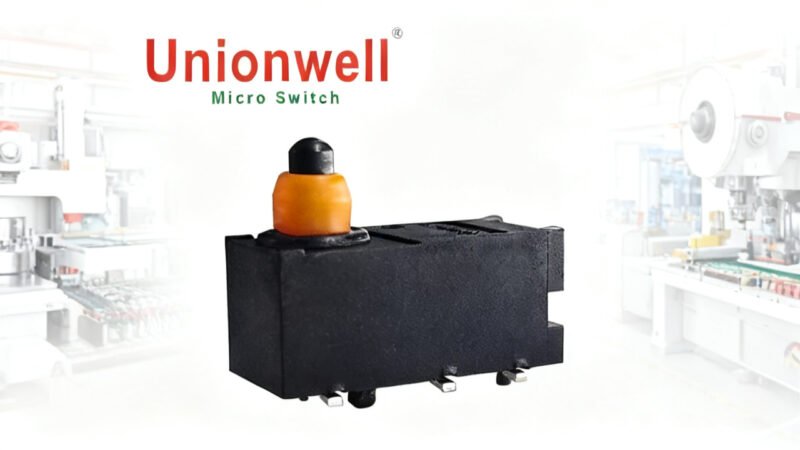
For applications exposed to moisture, dust, or other contaminants, standard micro switches are simply insufficient. This is where waterproof micro switches become indispensable. Engineered with superior sealing mechanisms, often achieving high IP ratings (e.g., IP67 or IP66), these switches are designed to withstand immersion or direct exposure to jets of water, ensuring reliable operation in challenging conditions.
Applications for waterproof micro switches are diverse and critical, ranging from outdoor control panels, marine equipment, and automotive systems (such as door locks and seat position sensors) to industrial machinery in wash-down areas, medical devices, and agricultural equipment. Their robust construction prevents the ingress of liquids and particulates, which could otherwise lead to short circuits, corrosion, or mechanical failure, thereby enhancing safety and extending the lifespan of the entire system.
The Manufacturer’s Imperative: Ensuring Quality and Reliability
The performance of any micro switch, whether standard, limit, or waterproof, is directly tied to the quality and expertise of its manufacturer. A leading micro switch manufacturer understands that these components are not merely commodities but critical enablers of system functionality and safety. Key attributes of a reliable manufacturer include:
- Rigorous Quality Control: Adherence to international standards (e.g., ISO 9001) and comprehensive testing protocols to ensure consistent performance and reliability.
- Advanced R&D: Continuous innovation in materials, design, and manufacturing processes to meet evolving industry demands and environmental regulations.
- Customization Capabilities: The ability to design and produce switches tailored to specific customer requirements, including unique actuator designs, contact materials, or electrical ratings.
- Technical Support: Providing expert guidance on product selection, application engineering, and troubleshooting to ensure optimal integration and performance.
- Supply Chain Reliability: Consistent availability of products and efficient logistics to support just-in-time manufacturing and project timelines.
Choosing a manufacturer with a proven track record for producing durable, precise, and high-performance switches is paramount. Such a partner can provide not just components, but solutions that contribute significantly to the overall integrity and success of industrial and commercial products.
Conclusion: Small Switches, Big Impact
From the precise movements of robotic arms to the safety interlocks on factory machinery, micro switches are unsung heroes that ensure reliable and safe operation. Their evolution into specialized forms like robust limit switches and sealed waterproof variants demonstrates their adaptability and critical importance across an expanding array of applications. For engineers and procurement professionals, understanding the nuances of these components and partnering with a reputable manufacturer is not just about sourcing parts; it’s about investing in the reliability, efficiency, and long-term success of their systems.