In the intricate world of industrial automation and control systems, seemingly small components often play the most critical roles. Among these, the micro switch stands out as an indispensable element, silently ensuring the precise operation, safety, and reliability of countless machines and processes. For B2B stakeholders – engineers, procurement specialists, and system designers – understanding the nuances of micro switch selection is paramount to optimizing performance and minimizing costly downtime.
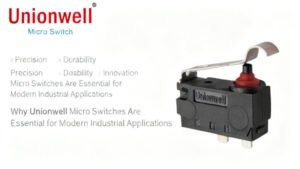
Micro switches, also known as miniature snap-action switches, are electromechanical devices that convert mechanical motion into an electrical signal. Their defining characteristic is the snap-action mechanism, which provides rapid, decisive contact operation regardless of the actuator speed, ensuring consistent performance and extended electrical life. This makes them ideal for applications requiring high precision and repeatability.
Understanding Different Types and Their Applications
While the fundamental principle remains consistent, micro switches come in various forms, each tailored for specific industrial demands:
Standard Micro Switches
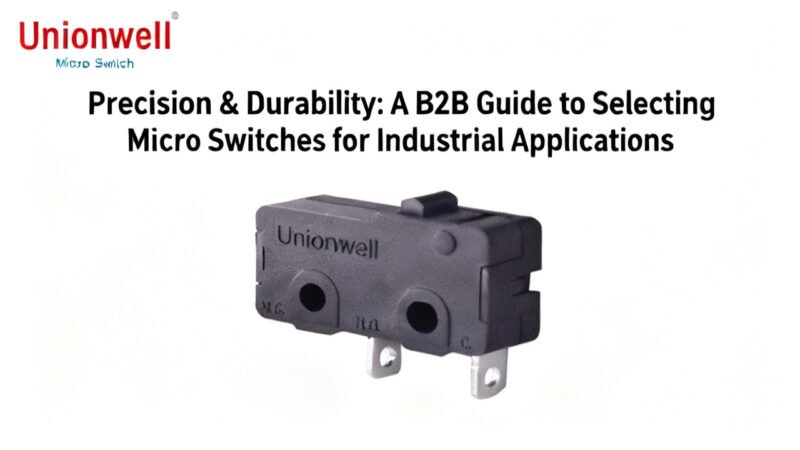
These are the foundational type, widely used across a spectrum of applications. They are found in safety interlocks on machinery guards, control panels, vending machines, home appliances, and automotive systems. Their versatility lies in their compact size, high electrical capacity relative to their size, and the reliability of their snap-action mechanism.
Limit Switches: The Sentinels of Position Sensing
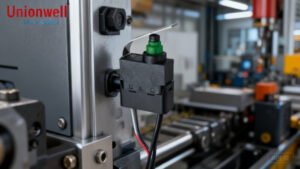
A specialized category of micro switches, limit switches are designed to detect the presence or absence of an object, or to monitor the position of moving parts within a machine. Often housed in robust, industrial-grade enclosures, they are essential for automation, acting as crucial feedback mechanisms in conveyor systems, robotic arms, CNC machinery, and material handling equipment. Their durability and ability to withstand harsh industrial environments make them critical for preventing over-travel, initiating sequential operations, and ensuring operator safety.
Waterproof Micro Switches: Engineered for Extreme Environments
Industrial settings are frequently exposed to water, dust, oil, and corrosive chemicals. In such challenging conditions, standard switches would quickly fail. Waterproof micro switches, often referred to as sealed micro switches, are specifically engineered to operate reliably in these harsh environments. They achieve this through robust sealing techniques, typically meeting various Ingress Protection (IP) ratings (e.g., IP67), which denote their resistance to dust ingress and submersion in water. Applications include outdoor equipment, marine systems, food processing machinery (where washdowns are frequent), and any industrial setup requiring protection against environmental contaminants. Selecting a high-quality waterproof micro switch from a reputable micro switch manufacturer is crucial for long-term operational integrity in these demanding scenarios.
Key Selection Criteria for B2B Professionals
Choosing the right micro switch is not a one-size-fits-all decision. B2B buyers must consider several critical factors to ensure optimal performance, longevity, and cost-effectiveness:
- Electrical Ratings (Voltage & Current): The switch must be rated to safely handle the maximum voltage and current of the circuit it controls. Considerations include AC/DC, resistive vs. inductive loads, and surge currents during motor start-up.
- Mechanical & Electrical Life: This refers to the number of operations a switch can perform before mechanical or electrical failure. High-cycle applications demand switches with millions of operations in their specified life.
- Operating Force & Overtravel: The force required to actuate the switch and the additional travel available after actuation are crucial for precise application design and actuator mechanism compatibility.
- Operating Temperature Range: Industrial environments can experience extreme temperatures. Ensure the switch’s specified operating temperature range aligns with the application’s thermal conditions.
- Environmental Protection (IP Rating): As discussed with waterproof micro switches, the IP rating is vital for applications exposed to dust, moisture, or liquids. An IP67 rating ensures protection against dust and temporary immersion.
- Actuator Type: Micro switches come with various actuator styles – pin plungers, roller plungers, lever arms, roller levers, and more. The choice depends on the mechanism it will interface with, the required operating force, and the desired overtravel.
- Contact Material: Different contact materials (e.g., silver, gold-plated) are chosen based on the load type and current levels. Gold contacts are excellent for low-current applications (logic level) where reliability and resistance to oxidation are critical.
- Mounting Configuration: Switches are available in various mounting styles (panel mount, PCB mount, screw mount) to suit different installation requirements.
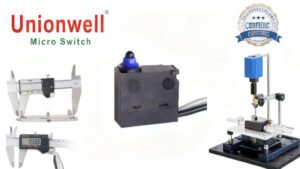
- Certifications: Compliance with international standards such as UL, CE, CCC, and RoHS is essential for global market access, safety, and regulatory adherence.
- Manufacturer Reputation and Reliability: Partnering with an experienced micro switch manufacturer known for quality control, robust design, and consistent performance (like unionwell, known for its diverse range of reliable switches) ensures product longevity and reduces the risk of field failures.
The Long-Term Benefits of Quality
While the initial cost of a premium micro switch might be slightly higher, the long-term benefits far outweigh any marginal savings from lower-quality alternatives. High-quality switches contribute to:
- Enhanced System Reliability: Reducing unexpected failures and ensuring continuous operation.
- Reduced Downtime: Minimizing maintenance interventions and lost productivity.
- Improved Safety: Critical for safety interlocks and emergency stop systems.
- Extended Equipment Life: Protecting expensive machinery from damage due to faulty components.
- Lower Total Cost of Ownership (TCO): Fewer replacements and repairs lead to significant savings over time.
Conclusion
Micro switches are far more than simple on/off devices; they are precision-engineered components vital to the functionality and safety of modern industrial systems. For B2B professionals, a thorough understanding of their types, applications, and critical selection criteria is indispensable. By prioritizing quality, durability, and partnering with reputable manufacturers, businesses can ensure their industrial applications operate with the precision and reliability required in today’s demanding environments.