In the intricate machinery of modern industry, certain components, though small in stature, play an outsized role in ensuring operational efficiency, safety, and reliability. Among these crucial elements are micro switches. These compact, snap-action devices are the silent workhorses found in everything from complex industrial automation systems to everyday consumer electronics. For B2B stakeholders, understanding the nuances of micro switch technology and the importance of selecting a reputable micro switch manufacturer is paramount to the success and longevity of their products and systems.
What is a Micro Switch?
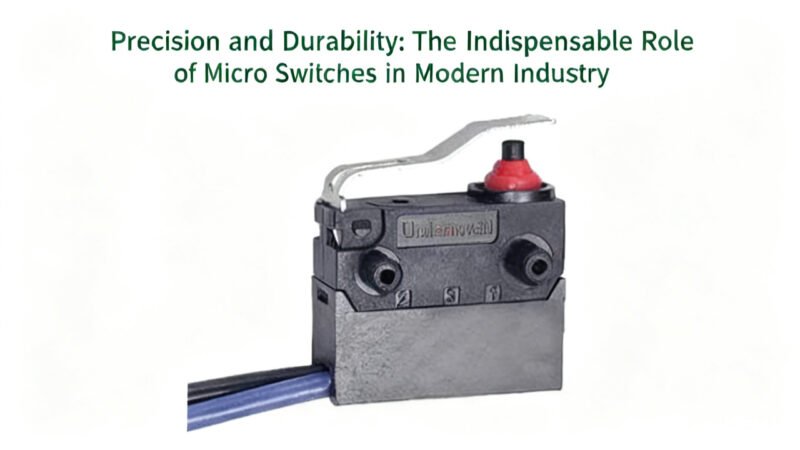
At its core, a micro switch, often referred to as a miniature snap-action switch, is an electrical switch actuated by very little physical force, through the use of a tipping point mechanism. This mechanism produces a rapid, repeatable change in contact state (open to closed or vice versa) once the operating point is reached, regardless of the speed of the actuator. This snap-action property is critical for preventing arcing and ensuring consistent performance over millions of cycles. Their precision and reliability make them indispensable for detecting position, presence, and limits in a vast array of applications.
Key Attributes and Benefits
- High Precision: Micro switches offer extremely accurate and repeatable operating points, crucial for applications requiring exact positioning or timing.
- Durability: Designed for millions of mechanical and electrical operations, high-quality micro switches provide exceptional longevity, reducing maintenance and replacement costs.
- Compact Size: Their small footprint allows for integration into tight spaces, making them suitable for miniaturized equipment and densely packed control panels.
- Versatility: Available in a wide range of actuator styles (plunger, lever, roller lever, etc.) and electrical ratings, they can be tailored to specific application needs.
- Reliable Switching: The snap-action mechanism ensures quick, clean contact breaks and makes, minimizing contact bounce and electrical noise.
Specialized Micro Switch Applications
The Critical Role of Limit Switches
A specialized form of micro switch, the limit switch, is engineered for robust industrial environments. These switches are typically enclosed in a protective housing, making them resistant to dust, moisture, and mechanical impact. Limit switches are fundamental for:
- Position Sensing: Detecting the presence or absence of an object, or the end of travel of a moving part in machinery.
- Safety Interlocks: Ensuring machinery only operates when safety guards are in place or when certain conditions are met.
- Machine Control: Initiating or stopping operations in automated systems, such as conveyor belts, robotic arms, and CNC machines.
Their rugged construction and high current ratings make them ideal for heavy-duty industrial applications where reliability under harsh conditions is non-negotiable.
The Imperative for Waterproof Micro Switches
In environments exposed to liquids, dust, or corrosive agents, standard switches simply won’t suffice. This is where waterproof micro switch technology becomes critical. These switches are sealed to various IP (Ingress Protection) ratings, indicating their resistance to solid particles and liquids. For instance, an IP67 rated switch is dust-tight and can withstand immersion in water up to 1 meter for 30 minutes. Applications demanding waterproof capabilities include:
- Outdoor Equipment: Agricultural machinery, construction vehicles, marine applications.
- Food Processing: Equipment requiring frequent washdowns.
- Medical Devices: Sterilizable instruments and diagnostic equipment.
- Industrial Cleaning Systems: Any machinery exposed to high-pressure sprays or chemicals.
The integrity of the sealing mechanism is paramount for these switches, directly impacting their operational lifespan and the safety of the systems they control.
Choosing the Right micro switch manufacturer
The performance and reliability of micro switches are directly tied to the quality of their manufacturing. Partnering with an experienced and reputable micro switch manufacturer is not just a preference; it’s a strategic necessity. Manufacturers like unionwell Micro Switch, for example, are known for their commitment to engineering excellence, rigorous quality control, and adherence to international standards. Key considerations when evaluating a manufacturer include:
- Quality Assurance: Look for certifications (e.g., ISO, UL, CE) that demonstrate adherence to stringent quality and safety standards.
- Product Range & Customization: A broad portfolio of standard and specialized switches, along with customization capabilities, ensures your specific needs can be met.
- Technical Support: Access to expert engineering support can be invaluable during product design and integration.
- Durability and Lifecycle Testing: Evidence of extensive testing to confirm mechanical and electrical lifecycles.
- Supply Chain Reliability: Consistent availability and on-time delivery are crucial for production schedules.
A manufacturer’s expertise in material science, contact design, and sealing technologies directly translates into the longevity and consistent performance of their switches, ultimately protecting your investments and reputation.
Conclusion
Micro switches, whether standard, limit, or waterproof variants, are foundational components that enable precise control, enhance safety, and drive automation across virtually every industry. Their small size belies their immense importance in ensuring the reliable operation of countless devices and systems. For businesses seeking to develop robust, high-performance products, the strategic selection of the right micro switch and a trusted micro switch manufacturer is a decision that profoundly impacts efficiency, safety, and ultimately, market success. Investing in quality components from a proven partner ensures that the critical functions of your systems remain uninterrupted, cycle after cycle.