In the intricate world of industrial automation, manufacturing, and commercial applications, countless operations hinge on the precise and reliable functioning of seemingly small components. Among these, the micro switch stands out as a critical, yet often overlooked, workhorse. These compact, snap-action devices are fundamental to control, safety, and efficiency across a vast spectrum of machinery and systems. For B2B buyers and engineers, understanding the nuances of micro switch selection and partnering with a reputable micro switch manufacturer is paramount to ensuring operational integrity and long-term performance.
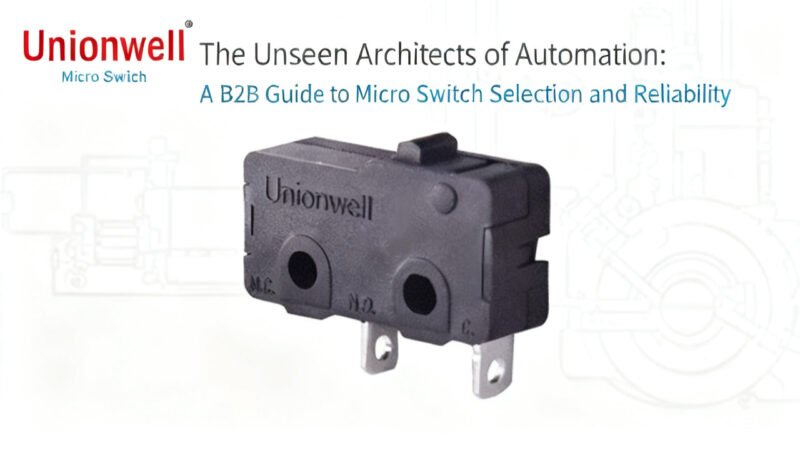
At its heart, a micro switch is a small, high-sensitivity switch that requires minimal force to operate. Its defining characteristic is the snap-action mechanism, which ensures a rapid, decisive transfer of contacts regardless of the speed of actuation. This snap-action feature is crucial for preventing arcing and extending the switch’s electrical life. From simple on/off functions in consumer electronics to complex control sequences in heavy machinery, their versatility is unmatched. Their small footprint, high precision, and robust design make them indispensable in scenarios where space is limited, and reliable contact closure is critical.
Key Types and Their Industrial Roles
While the basic principle remains consistent, micro switches come in various forms, each tailored for specific industrial demands:
-
Standard Micro Switches
These are the ubiquitous versions found in everything from household appliances to industrial control panels. They offer a balance of size, force, and electrical ratings, making them suitable for general-purpose switching applications where environmental conditions are relatively benign.
-
Limit Switches
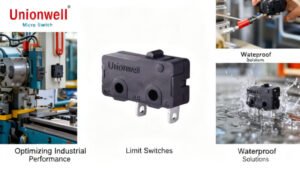
A specialized form of micro switch, limit switches are designed to detect the presence or absence of an object, or to monitor the position of moving parts within a system. They are crucial safety components in machinery, preventing overtravel, initiating sequential operations, or signaling the end of a process. Their robust construction often includes durable housings and various actuator types (e.g., roller levers, plungers) to withstand repetitive mechanical stress in demanding industrial environments. The reliability of a limit switch directly impacts machine safety and operational efficiency, making careful selection vital.
-
Waterproof Micro Switches
For applications exposed to moisture, dust, oils, or other contaminants, a waterproof micro switch is an absolute necessity. These switches incorporate advanced sealing technologies, often achieving IP (Ingress Protection) ratings like IP67, which signifies complete protection against dust ingress and the effects of temporary immersion in water. Industries such as automotive, marine, outdoor equipment, medical devices, and food processing extensively rely on waterproof micro switches to maintain functionality and prevent component failure in challenging conditions. Their sealed design ensures consistent performance and extends the lifespan of the equipment, reducing maintenance costs and downtime.
Critical Selection Criteria for B2B Buyers
Choosing the correct micro switch requires a comprehensive understanding of the application’s specific demands. B2B buyers should consider the following:
- Electrical Ratings: Evaluate the maximum voltage and current the switch needs to handle, both for resistive and inductive loads. Overlooking this can lead to premature failure or safety hazards.
- Operating Force and Travel: The force required to actuate the switch and the distance the actuator travels are critical. These parameters must align with the mechanical design of the system to ensure reliable and consistent operation.
- Actuator Type: Pin plungers, roller levers, hinge levers, and other actuator designs offer different mechanical advantages and are chosen based on the method of actuation and the desired contact point.
- Environmental Resilience: Beyond waterproofing, consider temperature range, vibration resistance, shock resistance, and material compatibility with corrosive substances. Look for appropriate IP ratings (e.g., IP67 for harsh environments) and suitable housing materials.
- Lifespan and Durability: Both mechanical life (number of operations) and electrical life (number of operations at rated load) are key indicators of a switch’s longevity. High-cycle applications demand switches with extended life ratings.
- Mounting and Terminal Options: Common options include PCB terminals, quick-connect terminals, solder terminals, and screw terminals, along with various mounting configurations. These must integrate seamlessly with the overall product design.
- Certifications: Compliance with international standards such as UL, CE, CQC, and RoHS is often a prerequisite for market entry and signifies adherence to quality and safety benchmarks.
The Indispensable Role of a Qualified micro switch manufacturer
The quality and reliability of a micro switch are profoundly influenced by its manufacturer. Partnering with a reputable micro switch manufacturer is not just about procuring components; it’s about securing a reliable supply chain, access to technical expertise, and assurance of consistent product quality. Leading manufacturers invest heavily in research and development, advanced manufacturing processes, and rigorous quality control protocols. They offer a wide range of standard products and often provide customization options to meet unique application requirements. A manufacturer’s ability to offer comprehensive technical support, consistent product availability, and adherence to industry standards can significantly impact project timelines, product performance, and overall cost-efficiency for B2B clients.
Conclusion
Micro switches, including specialized limit switches and waterproof variants, are the silent guardians of precision and safety in countless industrial and commercial systems. Their proper selection and integration are vital for ensuring the longevity, reliability, and efficiency of equipment. By meticulously evaluating application requirements and collaborating with an experienced and quality-focused micro switch manufacturer, businesses can unlock optimal performance, minimize downtime, and build more robust, reliable products for the future.