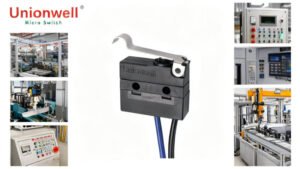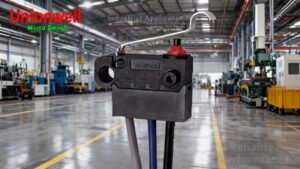
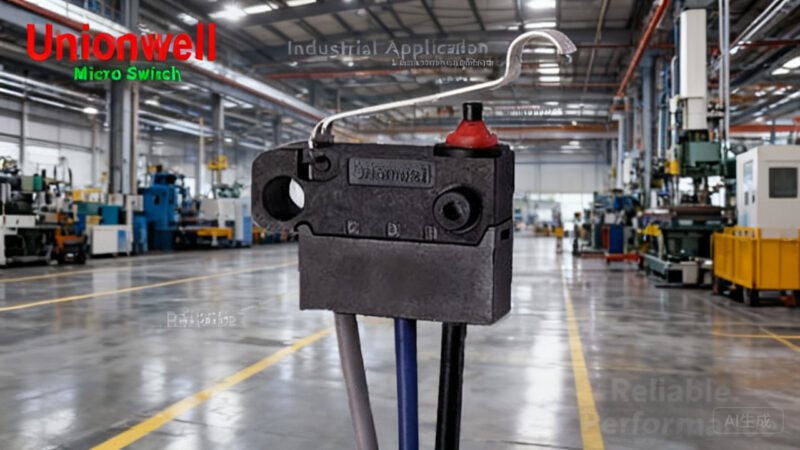
In the intricate world of industrial automation and control, seemingly small components often hold immense power. Among these, micro switches, limit switches, and their specialized waterproof counterparts stand as critical enablers of precision, safety, and operational efficiency. These electromechanical devices, though often overlooked, are the silent workhorses that ensure machines operate reliably, processes run smoothly, and personnel remain safe. For B2B stakeholders, understanding the nuances of these switches is not just about procurement; it’s about safeguarding investments, enhancing productivity, and maintaining competitive edge.
At its core, a micro switch is a small, sensitive snap-action switch that requires minimal force to operate. Its defining characteristic is the rapid transfer of contacts from one position to another, irrespective of the actuator’s speed. This snap-action mechanism provides a consistent, repeatable switching point, making it ideal for applications demanding high precision. From detecting the closure of a safety guard to sensing the position of a component in an assembly line or controlling the flow in a vending machine, micro switches are fundamental. Their compact size allows for integration into tight spaces, while their robust internal mechanisms ensure millions of cycles, making them a cornerstone in countless devices and systems.
- Applications: Industrial machinery, HVAC systems, medical equipment, automotive door locks, consumer appliances.
- Benefits: High repeatability, long mechanical life, compact size, precise operating point.
Limit Switches: Robust Control for Industrial Environments
Building upon the principles of micro switches, limit switches are designed for more demanding industrial environments. They typically feature a robust housing, often metal, enclosing a snap-action switch and an actuator arm. This design allows them to withstand physical impact, dust, oil, and moisture, making them indispensable for heavy-duty applications. Limit switches are primarily used to detect the presence or absence of an object, or to monitor the limits of travel for moving parts in machinery. They act as critical safety interlocks, preventing machinery from operating outside its design parameters, and as feedback mechanisms for automated control systems.
Their versatility comes from a wide array of actuator types—plunger, roller, lever, rod, and more—each tailored for specific mechanical interactions, from detecting cam movements to sensing the position of large industrial doors or conveyor belts. The ability to adjust operating positions further enhances their adaptability in complex systems.
- Key Features: Durable enclosures (IP rated), diverse actuator options, high electrical ratings, strong mechanical resistance.
- Typical Uses: Machine tools, cranes, elevators, packaging machinery, agricultural equipment.
Conquering the Elements: Waterproof Micro Switches
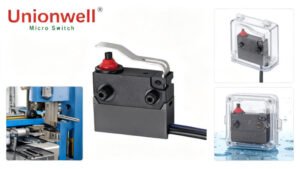
When operations move into challenging environments where exposure to liquids, dust, or corrosive agents is a constant threat, standard switches simply won’t suffice. This is where waterproof micro switches become indispensable. Engineered with superior sealing technologies, these switches boast high Ingress Protection (IP) ratings (e.g., IP67, IP68), signifying their ability to resist water immersion, dust ingress, and other contaminants without compromising performance.
Achieving this level of protection involves specialized housing materials, O-rings, epoxy potting, and carefully designed terminals that prevent moisture penetration. For industries ranging from marine and automotive to food processing and outdoor machinery, waterproof micro switches ensure uninterrupted operation, prevent costly downtime due to environmental damage, and maintain safety standards in conditions that would render conventional switches inoperable. Their reliability in harsh conditions makes them a strategic choice for critical applications where failure is not an option.
- Critical for: Outdoor equipment, marine applications, food & beverage processing, chemical plants, car wash systems.
- Protection: Resists water, dust, oil, and various chemicals.
Strategic Selection: Key Considerations for B2B Buyers
Choosing the right switch involves a meticulous evaluation of several factors to ensure optimal performance, longevity, and cost-effectiveness. A well-informed decision prevents premature failures, reduces maintenance, and enhances overall system reliability.
- Electrical Ratings: Match the switch’s voltage, current, and load type (resistive, inductive, lamp) to prevent premature contact wear or failure.
- Operating Force & Travel: Crucial for precise sensing, ensuring the force required to actuate and the travel distance align with application mechanics.
- Actuator Type: Select from plungers, levers, rollers, etc., based on the physical interaction with the target object in the mechanical system.
- Environmental Conditions: Assess temperature range, humidity, dust, water, oil, or corrosive substances to determine the necessary IP rating, housing material, and sealing.
- Mechanical & Electrical Life: Specify the number of cycles the switch must endure, especially for high-frequency applications, to minimize replacement frequency.
- Mounting & Termination: Consider practical aspects like mounting options (panel, PCB, screw) and terminal types (solder, quick connect, screw) for seamless integration.
- Certifications & Standards: Verify compliance with relevant industry standards (e.g., UL, CE, CCC) for safety and global market acceptance.
The Manufacturer’s Edge: Why Partnership Matters
The reliability of micro, limit, and waterproof switches is directly tied to the expertise and quality control of their manufacturer. Partnering with a reputable micro switch manufacturer offers significant advantages. Such manufacturers invest heavily in research and development, employ advanced testing methodologies, and adhere to stringent quality management systems to produce switches that consistently meet high performance and durability standards. They offer a diverse product portfolio, comprehensive technical support, and often provide customization options to meet unique application requirements. This partnership ensures access to not just a component, but a reliable solution backed by engineering excellence and a commitment to long-term performance.
In conclusion, micro, limit, and waterproof switches are far more than simple on/off devices; they are critical components that define the safety, precision, and longevity of industrial systems. Strategic selection, guided by a thorough understanding of application demands and environmental challenges, is paramount. By prioritizing quality and collaborating with experienced manufacturers, businesses can ensure their operations benefit from robust, reliable, and high-performance switching solutions, driving efficiency and securing long-term success in an increasingly automated world.