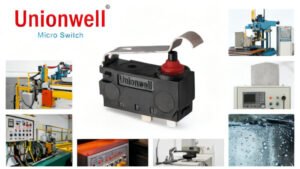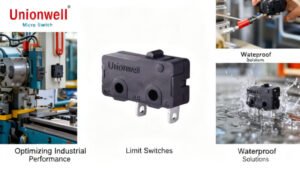
In the intricate world of industrial automation and advanced electronics, the reliability of a system often hinges on the performance of its smallest components. Among these, micro switches stand out as indispensable workhorses, serving as critical interface elements in countless applications. For engineers, product designers, and procurement professionals, understanding the profound impact of selecting high-quality micro switches is paramount to ensuring operational efficiency, safety, and longevity of their equipment. This article delves into the strategic advantages offered by robust micro switches, particularly highlighting the expertise of a leading micro switch manufacturer like unionwell, and the specialized roles of limit switches and waterproof variants.
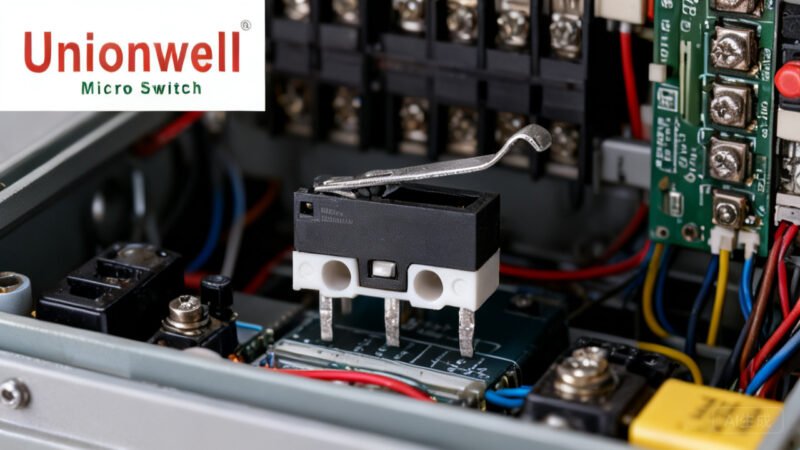
A micro switch, often referred to as a miniature snap-action switch, is an electromechanical device designed to open or close an electrical circuit with a rapid, decisive action upon a small amount of physical force. This “snap-action” mechanism is crucial for preventing slow make-and-break operations that can cause arcing and premature wear. Their compact size, high precision, and exceptional durability make them ideal for detecting position, controlling sequences, and providing safety interlocks across a vast spectrum of industries.
Key Characteristics and Benefits:
- Precision Actuation: The snap-action mechanism ensures a consistent, repeatable actuation point, vital for applications requiring accurate position sensing.
- Durability and Long Lifespan: Engineered for millions of operational cycles, high-quality micro switches offer extended service life, reducing maintenance costs and downtime.
- Compact Footprint: Their small size allows for integration into densely packed electronic assemblies and confined spaces.
- Versatility: Available in a wide array of actuator types (lever, roller, plunger) and electrical ratings, they can be tailored to specific application requirements.
- Reliable Switching: The quick-break, quick-make action minimizes contact bounce and electrical noise, enhancing system stability.
Limit Switches: Guardians of Motion and Position
While all limit switches are essentially micro switches, they are distinguished by their robust housing and specialized actuators designed for industrial environments. A limit switch is primarily used to detect the presence or absence of an object, or to monitor the limits of movement for machinery. They are fundamental in automation for:
- Position Detection: Indicating the end of travel for moving parts on conveyor belts, robotic arms, and machine tools.
- Sequence Control: Triggering subsequent operations in an automated process once a certain position is reached.
- Safety Interlocks: Preventing machinery from operating if a guard is open or a component is out of position, thereby protecting personnel and equipment.
The robust construction of industrial limit switches, often featuring metal housings and heavy-duty actuators, makes them suitable for harsh conditions where standard micro switches might not suffice. Their role in ensuring precise motion control and operational safety cannot be overstated.
Conquering Harsh Environments: The Waterproof Micro Switch Advantage
Many industrial and commercial applications expose components to challenging environmental factors such as dust, moisture, oil, and extreme temperatures. In these scenarios, the standard micro switch is simply inadequate. This is where the waterproof micro switch becomes an indispensable asset.
Designed with advanced sealing technologies, typically meeting IP67 or even higher ingress protection ratings, waterproof micro switches are impervious to liquids and fine particulate matter. This enhanced protection ensures reliable operation and extends the lifespan of the switch in demanding conditions, including:
- Outdoor Equipment: Agricultural machinery, construction vehicles, and outdoor security systems.
- Food & Beverage Processing: Environments requiring frequent washdowns and exposure to cleaning agents.
- Marine Applications: Boats, docks, and underwater equipment where saltwater corrosion is a concern.
- Medical Devices: Equipment requiring sterilization or operating in humid environments.
- Automotive Applications: Engine compartments, door locks, and window mechanisms exposed to weather.
Investing in a high-quality waterproof micro switch from a reputable micro switch manufacturer like unionwell guarantees consistent performance and reduces the risk of costly failures due to environmental ingress.
The Strategic Importance of Choosing a Reputable Micro Switch Manufacturer
The performance gap between a generic and a high-quality micro switch can be significant, impacting overall system reliability and total cost of ownership. Partnering with an experienced micro switch manufacturer like Unionwell offers distinct advantages:
- Rigorous Quality Control: Leading manufacturers adhere to stringent quality assurance protocols, from material selection to final product testing, ensuring consistent performance and reliability.
- Engineering Expertise and Customization: They possess the R&D capabilities to innovate new designs and provide customized solutions tailored to unique application requirements, whether it’s specific operating forces, terminal types, or actuator designs.
- Adherence to Global Standards: Products are typically certified to international standards such as UL, cUL, ENEC, CE, and RoHS, simplifying compliance for global markets.
- Technical Support and Longevity: Reputable manufacturers offer comprehensive technical support and ensure long-term product availability, crucial for industrial equipment with extended lifecycles.
Diverse Applications Across Industries
The versatility of micro switches, limit switches, and waterproof micro switches enables their deployment across an impressive array of sectors:
- Automotive Industry: Used in door latches, seat belt sensors, gearshift interlocks, power window controls, and engine management systems.
- Industrial Automation: Critical for robotics, CNC machines, conveyor systems, packaging equipment, and safety gates.
- Home Appliances: Found in microwave ovens (door interlocks), washing machines, refrigerators, and HVAC systems.
- Medical Devices: Essential for patient beds, diagnostic equipment, and surgical tools where precision and reliability are paramount.
- Aerospace & Defense: Utilized in aircraft landing gear, cockpit controls, and missile systems due to their robust design and high reliability.
- Security Systems: Employed in alarm systems, access control, and tamper detection.
Key Considerations for Optimal Micro Switch Selection
When specifying a micro switch, several factors must be carefully evaluated to ensure optimal performance and longevity:
- Electrical Ratings: Match the switch’s voltage and current capabilities to the circuit requirements.
- Actuator Type: Select an actuator (e.g., pin plunger, lever, roller lever) that matches the physical actuation mechanism of your application.
- Operating Force: Determine the force required to actuate the switch, which can impact user experience or system sensitivity.
- Environmental Conditions: Account for temperature extremes, humidity, dust, and chemical exposure. This is where a waterproof micro switch excels.
- Mechanical & Electrical Life: Consider the expected number of cycles the switch needs to endure.
- Mounting Options: Ensure compatibility with your enclosure or PCB design.
- Contact Configuration: Choose between Normally Open (NO), Normally Closed (NC), or Changeover (SPDT) contacts.
Conclusion
The humble micro switch, in its various forms including the robust limit switch and the resilient waterproof micro switch, is far from a simple commodity. It is a critical enabler of precision, safety, and reliability in countless industrial and commercial applications. For businesses seeking to optimize performance, minimize downtime, and ensure the longevity of their products, the strategic choice of a high-quality component from a trusted micro switch manufacturer like Unionwell is not merely a purchasing decision—it is an investment in the foundational integrity of their systems. By meticulously evaluating application requirements and partnering with proven suppliers, industries can unlock the full potential of these indispensable components.