In the intricate world of industrial automation and sophisticated electronics, the seemingly small components often hold the greatest power. Among these, micro switches stand as indispensable guardians of precision, safety, and operational efficiency. From safeguarding complex machinery to enabling seamless user interaction in everyday appliances, these compact yet robust devices are the unsung heroes behind countless successful operations. For engineers, product developers, and procurement specialists, understanding the nuances of micro switch technology and partnering with a reliable micro switch manufacturer is paramount to building resilient and high-performing systems.
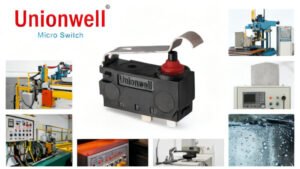
At their core, a micro switch, also known as a miniature snap-action switch, is an electrical switch actuated by very little physical force, utilizing a tipping-point mechanism. This mechanism produces a quick and decisive action, ensuring reliable opening and closing of an electrical circuit with minimal travel. Their ability to deliver consistent performance over millions of cycles makes them a cornerstone in applications demanding high reliability and precise control.
Key Features & Advantages
The widespread adoption of micro switches across diverse industries isn’t accidental; it’s a testament to their inherent advantages:
- Exceptional Precision: The snap-action mechanism ensures a consistent actuation point, crucial for precise timing and control in sensitive applications.
- High Durability & Long Lifespan: Engineered for endurance, quality micro switches can withstand millions of operational cycles, minimizing downtime and maintenance costs.
- Compact Footprint: Their small size allows for integration into tight spaces, facilitating miniaturization in product design without compromising functionality.
- Versatility: Available in a multitude of configurations, operating forces, and terminal types, micro switches can be tailored to meet specific application requirements.
- Rapid Response: The snap-action mechanism ensures quick make-and-break contacts, reducing arcing and extending contact life.
Types of Micro Switches & Specialized Applications
The utility of micro switches is further expanded by specialized variants designed for specific environmental and functional demands.
Limit Switches: The Sentinels of Position Sensing
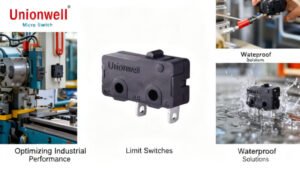
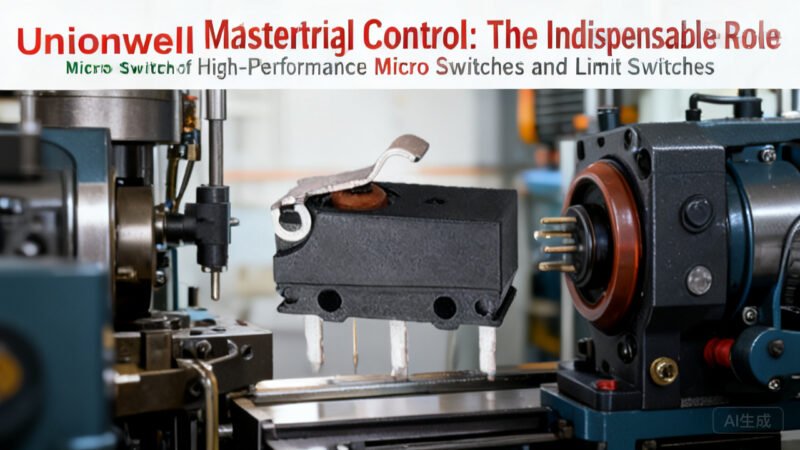
A critical subset, limit switches are electromechanical devices that operate by the physical contact of an object with the actuator. Primarily used to detect the presence or absence of an object, or to monitor the travel limits of machinery, they are fundamental in industrial control systems. They provide feedback to controllers, ensuring machinery operates within safe parameters, preventing over-travel, and initiating sequences. From conveyor systems to robotic arms and machine tools, limit switches are non-negotiable for safety and process automation.
Waterproof Micro Switches: Defying Harsh Environments
In environments exposed to moisture, dust, or corrosive agents, standard switches simply won’t suffice. This is where waterproof micro switches become indispensable. Designed with robust sealing mechanisms, often meeting IP (Ingress Protection) ratings like IP67, these switches prevent the ingress of liquids and particulates, ensuring uninterrupted operation and extended lifespan. Applications range from outdoor equipment and marine systems to industrial machinery in washdown areas and automotive systems exposed to elements. Their reliability in challenging conditions is paramount for maintaining system integrity and preventing costly failures.
Applications Across Industries
The reach of micro switches extends into virtually every sector:
- Industrial Automation: As limit switches in robotics, CNC machines, safety interlocks, and automated assembly lines.
- Automotive: Door latches, seatbelt sensors, gear shift mechanisms, power window controls, and engine management systems.
- Home Appliances: Microwaves (door interlocks), washing machines, refrigerators, and vacuum cleaners.
- Medical Devices: Precision control in diagnostic equipment, patient beds, and surgical tools.
- HVAC Systems: Damper controls, fan switches, and safety cut-offs.
- Security Systems: Tamper switches, door/window sensors, and access control.
Choosing the Right Micro Switch and Manufacturer
Selecting the appropriate micro switch is a nuanced process that requires careful consideration of several factors:
- Operating Force and Travel: Matching the switch’s actuation force and travel distance to the application’s mechanical requirements.
- Electrical Ratings: Ensuring the switch can handle the voltage and current of the circuit.
- Environmental Protection: For harsh conditions, specifying appropriate IP ratings (e.g., IP67 for waterproof micro switches).
- Mechanical and Electrical Lifespan: Considering the required number of cycles for the application’s expected longevity.
- Operating Temperature Range: Verifying the switch can perform reliably within the anticipated temperature extremes.
- Terminal Type: Selecting appropriate connections (e.g., solder, quick connect, screw terminals).
Beyond the technical specifications, the choice of a micro switch manufacturer is equally critical. A reputable manufacturer offers:
- Unwavering Quality: Adherence to stringent manufacturing standards and comprehensive testing.
- Extensive Product Portfolio: A wide range of standard and specialized switches, including custom solutions.
- Technical Support: Expert assistance in selection, application, and troubleshooting.
- Supply Chain Reliability: Consistent availability and timely delivery to support production schedules.
- Innovation: Commitment to R&D, bringing forth new designs and improved performance.
Partnering with a leader in the field ensures access to cutting-edge technology and a commitment to reliability that impacts your product’s overall performance and market reputation.
The Future of Micro Switches
As industries continue to evolve towards greater automation, miniaturization, and intelligence, the role of micro switches will only grow. Innovations in materials science, manufacturing processes, and sensor integration are paving the way for even more robust, precise, and smart switching solutions. The demand for highly reliable components that can withstand extreme conditions while providing critical feedback to IoT-enabled systems will drive continuous development in this essential component category.
Conclusion
Micro switches, whether standard, limit, or waterproof variants, are far more than simple on/off devices. They are critical enablers of precision, safety, and efficiency across the industrial landscape. By understanding their diverse capabilities and strategically partnering with a leading micro switch manufacturer, businesses can ensure their products and systems operate with the highest levels of reliability and performance, driving innovation and maintaining a competitive edge in today’s demanding market.