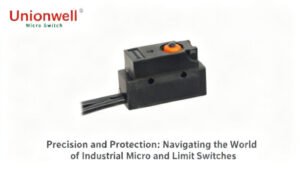
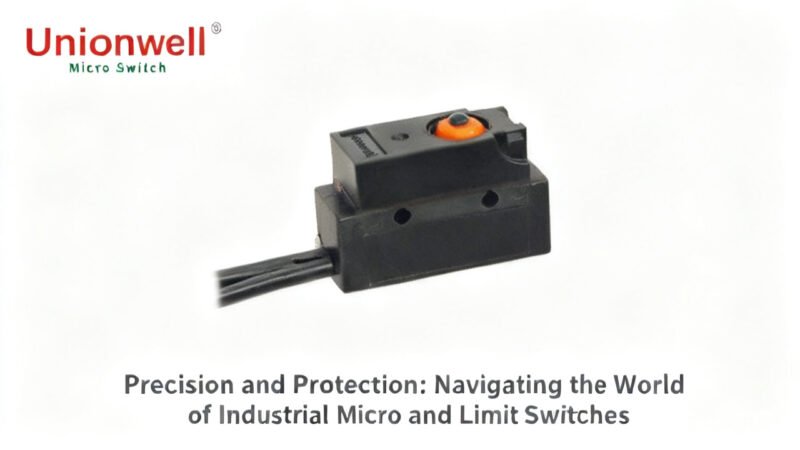
In the intricate landscape of modern engineering, the unassuming micro switch plays a pivotal, often unsung, role. These small but mighty components are the silent workhorses behind countless operations, from the simplest household appliances to complex industrial machinery. Their ability to precisely detect position, presence, or limit movement ensures both functionality and safety, making their selection a critical decision for any product designer or system integrator. The demand for reliable, durable, and specialized switches continues to grow, driving innovation among leading micro switch manufacturers.
The Unseen Workhorse: Understanding Micro Switches
At its core, a micro switch, often referred to as a snap-action switch, is an electrical switch that is actuated by very little physical force, through the use of a tipping-point mechanism. This mechanism produces a rapid, decisive transfer of contact from one position to another, regardless of the speed of actuation. This "snap-action" is crucial for preventing arcing and ensuring consistent performance over millions of cycles.
Key characteristics that define a high-quality micro switch include:
- Precision: Consistent actuation point and reset point.
- Durability: High mechanical and electrical life cycles.
- Compact Size: Enabling integration into space-constrained designs.
- Versatility: Available in numerous actuator styles, terminal types, and electrical ratings.
Applications span across virtually every industry: automotive (door latches, seat belt indicators), home appliances (microwave ovens, washing machines), industrial controls (machinery safety, conveyor systems), medical devices, and even aerospace.
Beyond the Basic: Specialized Switch Types for Demanding Environments
While standard micro switches offer broad utility, many applications require enhanced features to withstand specific environmental challenges or perform specialized functions.
Limit Switches: The Sentinels of Automation
Limit switches are a robust extension of the micro switch principle, specifically designed to detect the presence or absence of an object, or to monitor the travel limits of machinery. They are fundamental components in automation and control systems, acting as electromechanical sensors. Typically housed in rugged enclosures, limit switches are built to endure harsh industrial environments, including exposure to dust, debris, coolant, and mechanical shock. Their applications are widespread in manufacturing, material handling, and process control, where they ensure machine safety, prevent over-travel, and initiate sequences of operation. The reliability of a limit switch directly impacts the efficiency and safety of an entire automated system.
Waterproof Micro Switches: Defying the Elements
In environments where moisture, dust, or corrosive agents are prevalent, standard switches simply won’t suffice. This is where waterproof micro switches, often boasting high Ingress Protection (IP) ratings (e.g., IP67, IP68), become indispensable. These switches are meticulously sealed using advanced materials and manufacturing techniques to prevent the ingress of liquids and particulates, ensuring uninterrupted operation and extended lifespan.
Common applications for waterproof micro switches include:
- Outdoor equipment (lawnmowers, power tools)
- Marine applications (boat controls, bilge pumps)
- Food and beverage processing machinery (washdown environments)
- Automotive systems (under-hood applications)
- Industrial control panels exposed to splashing or hosing
The integrity of the sealing mechanism is paramount, and reputable manufacturers invest heavily in robust designs and rigorous testing to guarantee performance in the most challenging conditions.
Why Choose a Reputable micro switch manufacturer?
The performance and longevity of your products or systems hinge significantly on the quality of their smallest components. Partnering with an experienced micro switch manufacturer offers several key advantages:
- Unwavering Quality and Consistency: Leading manufacturers adhere to stringent quality control processes, from raw material inspection to final product testing, ensuring every switch meets exacting standards. This consistency is vital for mass production and long-term reliability.
- Innovation and Expertise: A dedicated manufacturer continuously invests in R&D to develop new designs, improve materials, and enhance performance, offering cutting-edge solutions for evolving industry needs.
- Certifications and Compliance: Reputable suppliers ensure their products meet international safety and performance standards such as UL, cUL, ENEC, CQC, and RoHS, simplifying your product certification process.
- Customization Capabilities: Many applications require tailored solutions. A skilled manufacturer can offer custom designs, specific actuator types, terminal configurations, or unique sealing methods to perfectly fit your project’s requirements.
- Technical Support and Partnership: Beyond supplying components, a good manufacturer provides expert technical assistance, helping you select the optimal switch for your specific application and troubleshooting any integration challenges.
Key Considerations When Selecting a Micro Switch
To ensure you choose the right switch for your application, evaluate these critical factors:
- Electrical Rating: Match the switch’s voltage and current capabilities to your circuit’s requirements.
- Operating Force: The amount of force required to actuate the switch, critical for ergonomic design and precise control.
- Actuator Type: Plunger, lever, roller, simulated roller – select based on the mechanical interface and required overtravel.
- Terminal Type: Solder lugs, quick-connect terminals, screw terminals – choose based on assembly method.
- Operating Temperature Range: Ensure the switch can perform reliably within your application’s environmental temperature extremes.
- Mechanical and Electrical Life: Specifies the number of cycles the switch can endure, indicating its expected lifespan.
- Environmental Protection (IP Rating): Essential for applications exposed to dust, water, or other contaminants.
Conclusion
In a world increasingly reliant on precision and automation, the humble micro switch remains a cornerstone of reliable operation. Whether it’s a standard snap-action switch, a robust limit switch for industrial automation, or a sealed waterproof variant defying the elements, selecting the right component from a trusted micro switch manufacturer is paramount. By prioritizing quality, understanding specialized features, and considering key specifications, engineers and product developers can ensure the longevity, safety, and optimal performance of their designs, building systems that truly stand the test of time.