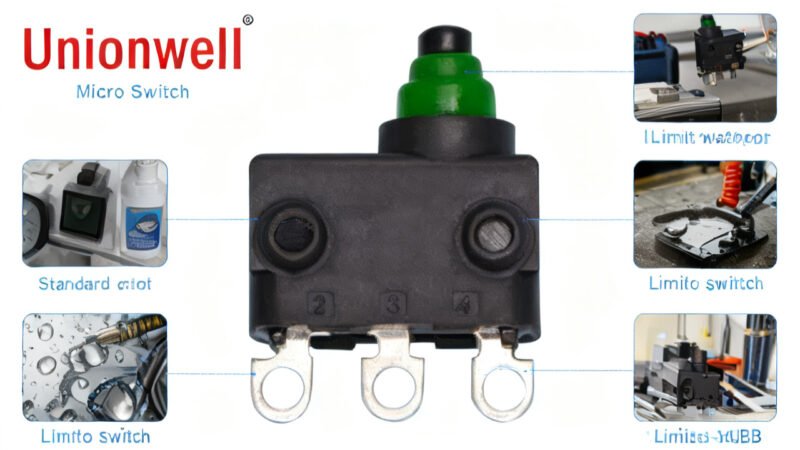
In the vast landscape of industrial components, few items are as ubiquitous and critical as the micro switch. These small, yet powerful, electromechanical devices are the unsung heroes behind countless automated processes, safety mechanisms, and control systems across virtually every industry. For B2B enterprises, understanding the nuances of micro switches—from their fundamental operation to specialized variants like limit switches and waterproof models—is paramount for ensuring operational efficiency, product reliability, and long-term success.
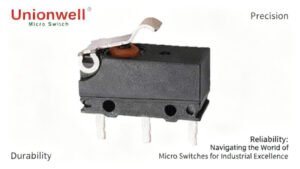
At its core, a micro switch is a snap-action switch, characterized by its very small operating travel and a quick, decisive switching action. It typically consists of a spring-loaded lever or plunger that, when activated by a minimal force, rapidly changes the state of electrical contacts. This rapid “snap” action ensures a clean break or make of the circuit, minimizing arcing and extending the life of the switch. Despite their diminutive size, micro switches are engineered for high precision, repeatability, and durability, making them indispensable in applications where precise control and reliable feedback are essential.
Key Characteristics and Benefits
The widespread adoption of micro switches stems from several key characteristics that offer significant benefits to industrial applications:
- Precision and Repeatability: Micro switches are renowned for their consistent actuation point, ensuring high accuracy in position sensing and control. This repeatability is crucial for automated machinery and safety interlocks.
- Durability and Longevity: Engineered to withstand millions of operating cycles, quality micro switches offer exceptional mechanical and electrical life, reducing maintenance costs and downtime.
- Compact Size: Their small footprint allows for integration into tight spaces and complex assemblies, making them ideal for miniaturized devices and crowded control panels.
- Versatility: Available in a vast array of configurations, including different actuator types (plunger, roller lever, simulated roller), operating forces, and electrical ratings, micro switches can be tailored to specific application requirements.
- Reliability: The snap-action mechanism provides a definitive ON/OFF state, preventing partial contact and ensuring reliable signal transmission, even in vibration-prone environments.
Exploring Specialized Micro Switch Variants
While the basic micro switch design is highly effective, specific industrial demands have led to the development of specialized variants, each engineered for particular challenges.
Limit Switches: The Sentinels of Motion
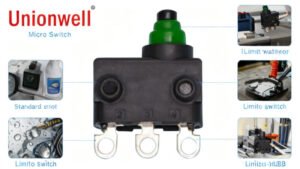
Limit switches are a robust class of micro switches specifically designed to detect the presence or absence of an object, or to monitor the travel limits of moving machinery. Often housed in rugged enclosures, they are fundamental components in industrial automation, providing critical feedback for control systems. Common applications include:
- Position Sensing: Determining the exact position of a component on a conveyor belt or the end-of-travel for a robotic arm.
- Safety Interlocks: Ensuring machine guards are closed before operation or preventing movement beyond safe limits.
- Sequence Control: Initiating the next step in an automated process once a preceding action is complete.
Limit switches typically feature sturdy actuators and can handle higher electrical loads, making them suitable for heavy-duty industrial environments where reliability under stress is paramount.
Waterproof Micro Switches: Defying the Elements
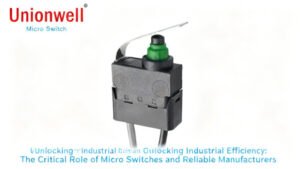
In many industrial and outdoor applications, switches are exposed to challenging environmental conditions such as moisture, dust, oils, and chemicals. This is where waterproof micro switches become indispensable. Designed with enhanced sealing mechanisms, often achieving Ingress Protection (IP) ratings like IP67 or IP68, these switches prevent the ingress of contaminants, ensuring reliable operation in adverse conditions.
Key features of waterproof micro switches include:
- Sealed Construction: Gaskets, O-rings, and epoxy potting protect internal contacts from liquids and particles.
- Corrosion Resistance: Materials are often selected for their ability to resist corrosion from chemicals or saltwater.
- Wide Operating Temperature Range: Capable of functioning reliably in extreme hot or cold environments.
Applications for waterproof micro switches span a wide range, including automotive door latches, marine equipment, outdoor security cameras, industrial cleaning machinery, and food processing equipment.
Applications Across Industries
The versatility of micro switches means they are found in an astonishing array of applications:
- Automotive: Door and hood latches, seat belt detection, gear shift interlocks, power window controls.
- Home Appliances: Microwave oven door interlocks, washing machine water level sensors, refrigerator ice makers, HVAC systems.
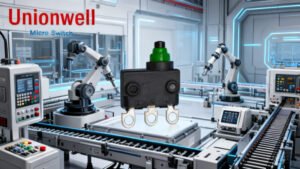
- Industrial Automation: Robotics, CNC machinery, conveyor systems, assembly lines, safety gates.
- Medical Equipment: Diagnostic devices, hospital beds, fluid dispensing systems.
- Aerospace & Defense: Aircraft landing gear, cockpit controls, munitions systems.
- Security Systems: Tamper switches, access control panels, alarm systems.
Choosing the Right Micro Switch: A B2B Perspective
For procurement professionals and design engineers, selecting the optimal micro switch involves a careful evaluation of several critical factors:
- Electrical Rating: Ensure the switch can safely handle the required voltage and current for both AC and DC applications. Overlooking this can lead to premature failure or safety hazards.
- Operating Force and Travel: Match the switch’s actuation force and pre-travel/over-travel characteristics to the mechanical system it will interact with.
- Actuator Type: Consider the physical mechanism that will activate the switch. Options range from simple plungers to various lever types (straight, roller, simulated roller) designed for different motion profiles.
- Environmental Conditions: For harsh environments, an appropriate IP rating (e.g., IP67 for dust and water immersion) is non-negotiable. Temperature extremes, vibration, and chemical exposure also need to be considered.
- Mechanical and Electrical Life: Evaluate the expected number of cycles the switch will undergo during its operational lifespan. High-frequency applications demand switches with superior endurance.
- Mounting and Terminal Options: Determine the most suitable mounting style (panel mount, PCB mount) and terminal type (solder, quick connect, wire leads) for ease of integration and manufacturing.
- Certifications: Verify that the switch meets relevant industry standards and safety certifications (e.g., UL, cUL, CE, CQC) required for your target markets.
The Role of a Quality micro switch manufacturer
Partnering with a reputable micro switch manufacturer is not just about purchasing components; it’s about securing a reliable supply chain and access to expert technical support. A leading manufacturer invests heavily in research and development, stringent quality control processes, and advanced testing methodologies to ensure consistent product performance. They offer comprehensive product lines, customization capabilities, and the engineering expertise to help B2B clients navigate complex application challenges. From material selection to production precision, a dedicated micro switch manufacturer ensures that every switch delivered meets the highest standards of reliability and durability, ultimately contributing to the success and safety of your end products.
Conclusion
Micro switches, in all their forms—from standard snap-action devices to rugged limit switches and environmentally sealed waterproof models—are fundamental building blocks of modern industrial and consumer technology. Their small size belies their immense importance in ensuring precision, reliability, and safety across countless applications. By carefully considering the specific requirements of your application and collaborating with an experienced micro switch manufacturer, B2B enterprises can leverage these versatile components to enhance product performance, optimize operational efficiency, and maintain a competitive edge in today’s demanding market.